A Smarter Hang
How Paper Hangers Support More Sustainable Brand Experiences
When brands evaluate their environmental impact, attention often turns to the most visible parts of the product journey—packaging, shipping materials and the product itself. Yet meaningful progress can also come from rethinking the smaller components that are frequently overlooked.
The hanger is one of them.
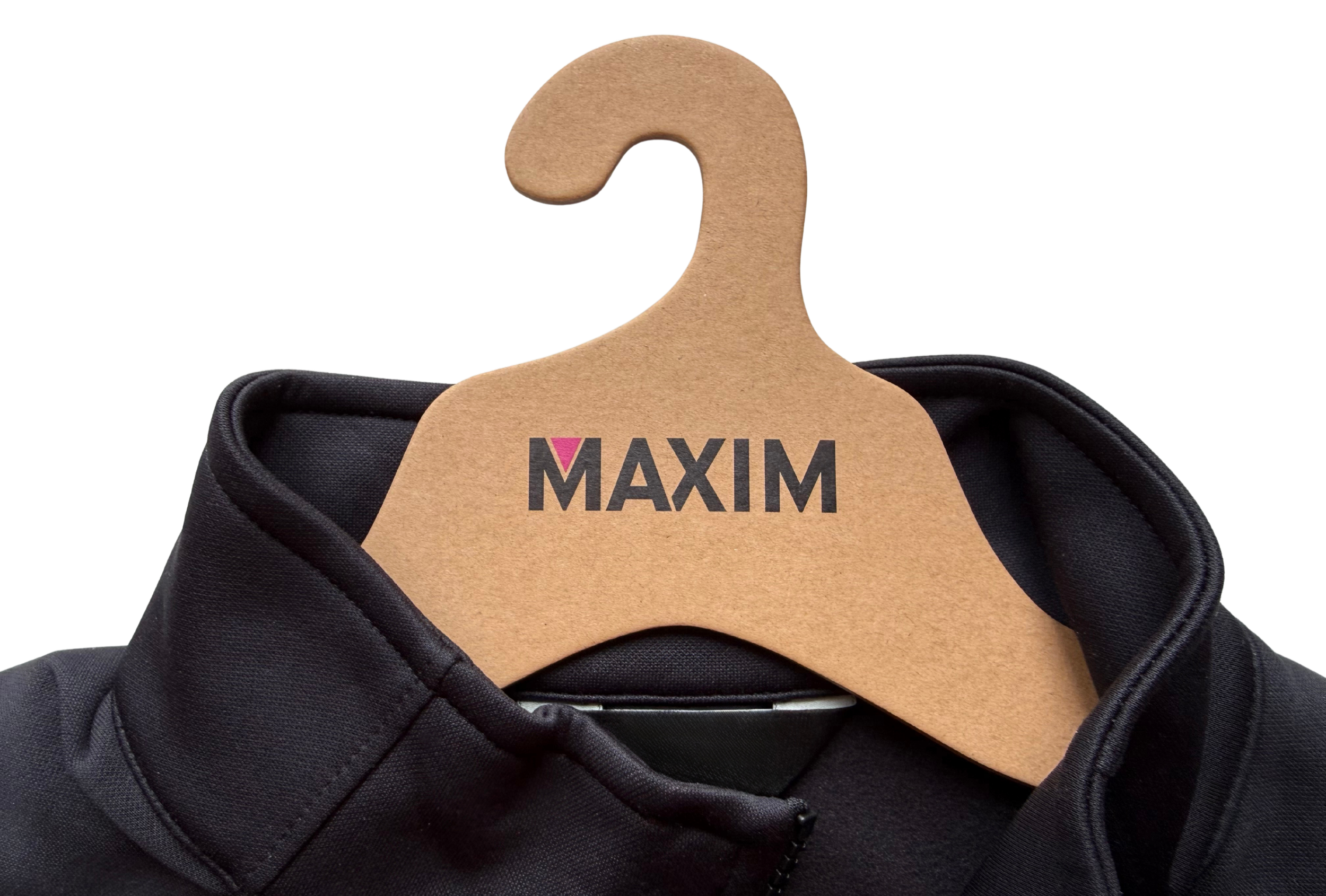
Used across retail environments and product displays, hangers play an important role in how apparel and accessories are presented. Traditionally manufactured from plastic, these everyday components can contribute to unnecessary material use and waste. Paper hangers offer brands an opportunity to make a more thoughtful choice without sacrificing presentation, performance or brand identity.
The Evolution of the Paper Hanger
Paper hangers have come a long way from the plain, one-size-fits-all solutions of the past. Today, they can be engineered in a range of shapes, sizes, constructions and finishes to meet specific product and branding requirements.
Rather than functioning as an invisible packaging component, a paper hanger can become part of the overall brand experience. Custom printing, colors, messaging and structural details allow brands to create a cohesive presentation that complements the product and reinforces its identity.
This evolution demonstrates that more sustainable alternatives do not have to feel like compromises. The shift from plastic to paper does not have to mean compromising on performance or durability. With the right design and material strategy, paper hangers can deliver the functionality brands need while supporting a more responsible approach to packaging.
Why Choose Paper Hangers?
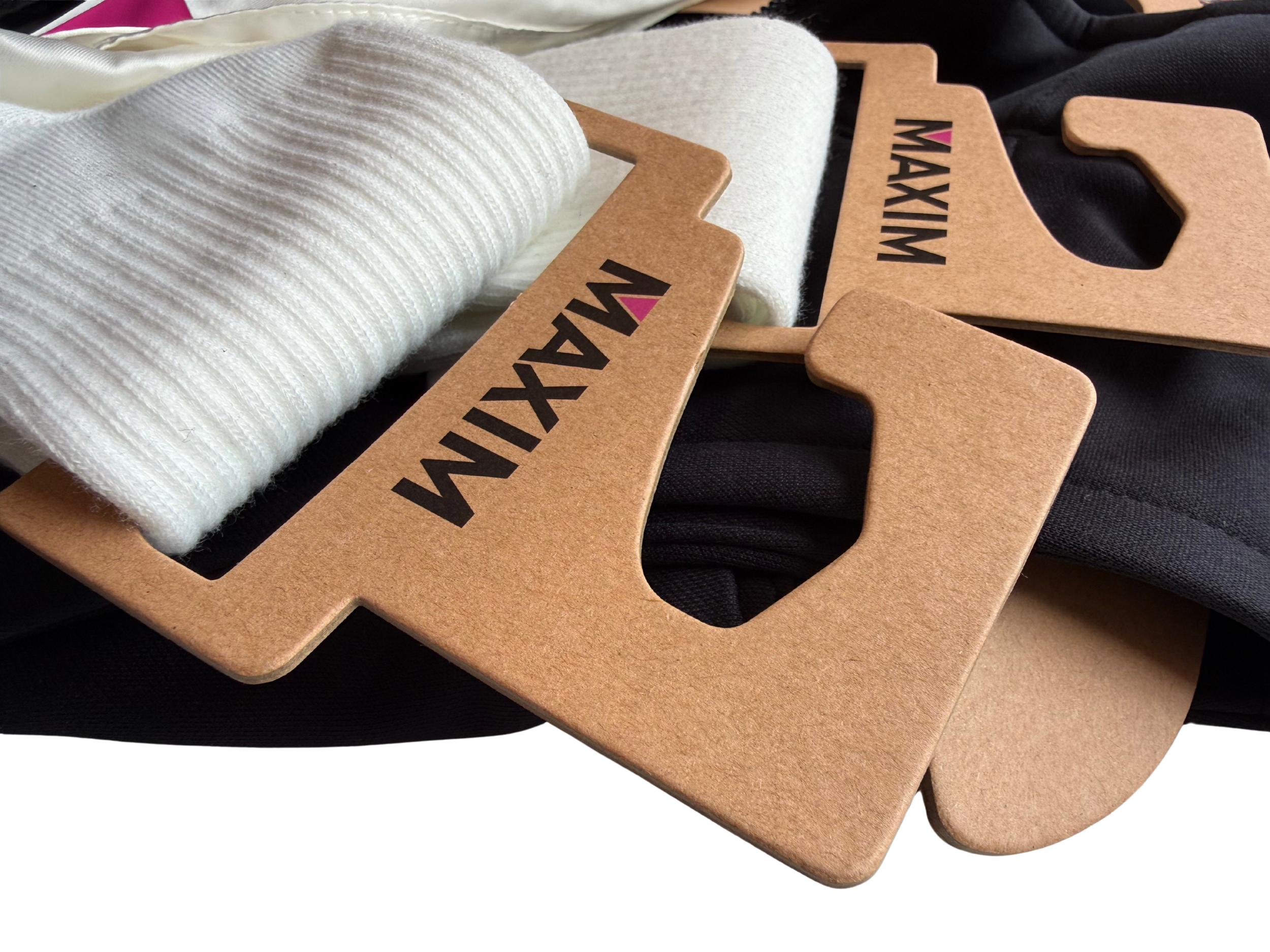
Paper hangers provide a versatile alternative for brands looking to evaluate materials more intentionally. Depending on their design, construction and intended application, they can offer several practical advantages:
A plastic-free alternative: Paper-based constructions can help reduce reliance on conventional plastic hangers.
Lightweight and durable performance: Thoughtful engineering can provide the strength needed to support products while maintaining a lightweight format.
Space-saving efficiency: Slim profiles may require less storage space and help improve efficiencies across packing, transportation and retail environments.
Recyclable material options: Paper-based designs can support circularity goals and may offer a clearer end-of-life pathway where appropriate recycling infrastructure exists.
Extensive customization: Shapes, dimensions, finishes, printing and structural features can be adapted to specific products and brand identities.
Cost-effective potential: Efficient material use, storage and transportation can contribute to a practical, scalable solution for larger packaging programs.
Together, these benefits make paper hangers more than a material substitution. They can support performance, presentation, operational efficiency and sustainability objectives within a single component.
Small Components Can Create Meaningful Change
Sustainability strategies often focus on large-scale transformations, but meaningful change does not always require completely reinventing a packaging program. Sometimes, it begins with making smarter material choices across the many components that support a product.
Replacing a conventional plastic hanger with a paper-based alternative may appear to be a small adjustment. When that decision is applied across product lines, retail locations or global distribution programs, its potential impact becomes much more significant.
Paper hangers can help brands:
Reduce their reliance on conventional plastic components
Introduce more paper-based materials into packaging programs
Support responsible sourcing and circular design goals
Create a cohesive, customizable presentation
Communicate sustainability commitments at the point of interaction
Encourage more informed disposal decisions
Use printed QR codes to support digital engagement with consumers
Each improvement contributes to a broader effort to evaluate materials more intentionally and reduce unnecessary complexity throughout the product journey.
Turning Packaging into a Consumer Touchpoint
Consumers increasingly want to understand the choices behind the products they purchase. Packaging components can help make those choices visible.
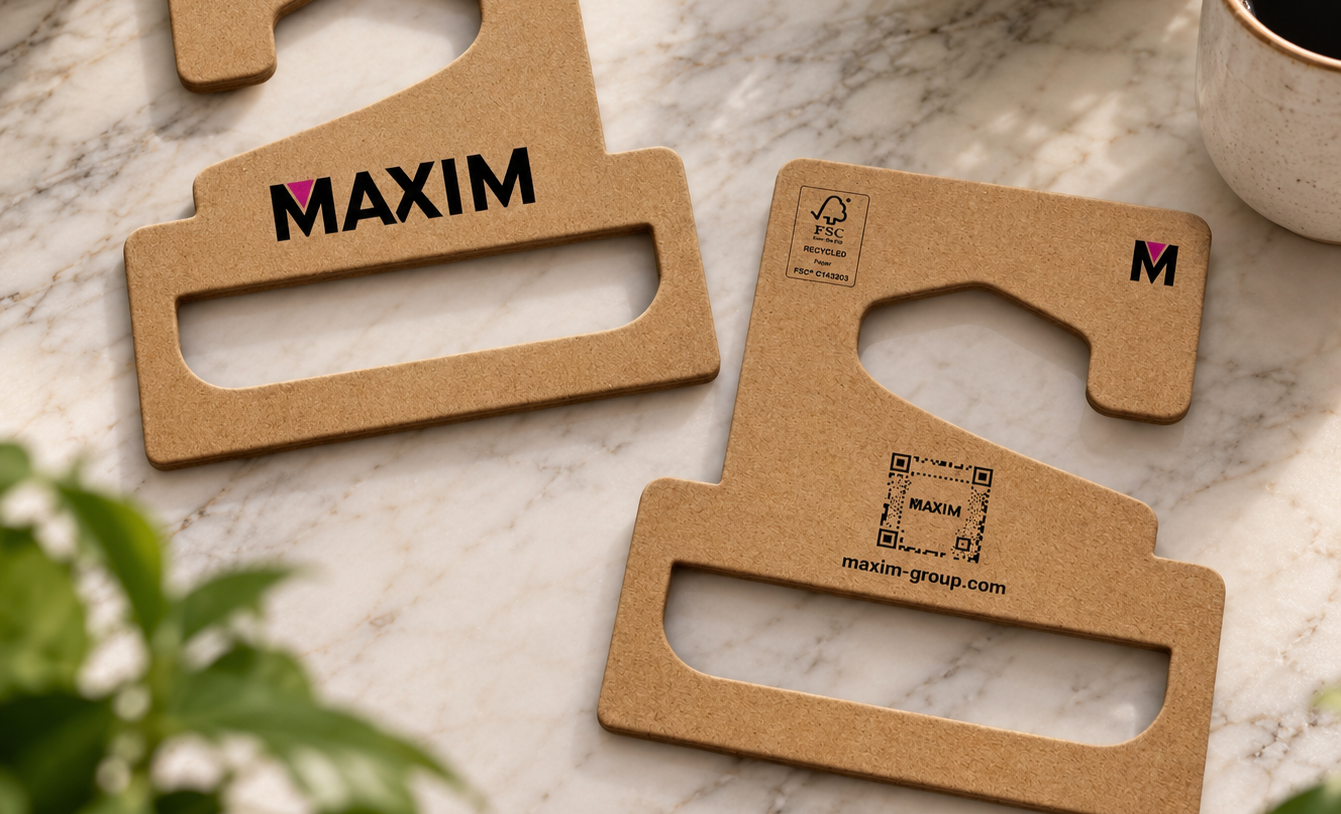
A paper hanger provides space for a brand to share thoughtful messaging about materials, sourcing or disposal. It can also include a printed QR code that connects consumers to digital content, such as product information, care instructions, sustainability details, recycling guidance, brand stories or special offers. This creates an opportunity for digital engagement while keeping the physical hanger simple and functional.
Clear communication can help customers understand why the hanger was selected and what they should do with it after use. This educational element transforms a functional component into a meaningful brand touchpoint.
When consumers can easily recognize and understand a brand’s efforts, sustainability becomes more tangible. That transparency can strengthen trust, support brand loyalty and empower customers to make decisions that align with their values. It also contributes to a broader cultural shift—one in which packaging is viewed not simply as something to discard, but as a carefully considered part of the product experience.

Responsible Materials Begin with Responsible Sourcing
The environmental value of a paper-based solution extends beyond the material itself. Responsible sourcing and supply-chain transparency are also essential considerations.
FSC-certified materials can help brands support more responsible forest management and strengthen the traceability of the paper products used within their packaging programs. Maxim is proud to have 16 FSC-certified locations globally, reinforcing our commitment to a more responsible and transparent supply chain.
This global certification footprint helps us support brands seeking paper-based solutions aligned with their sourcing requirements and broader environmental objectives.
Designed for Both Purpose and Performance
Moving toward more sustainable materials still requires careful attention to performance. A successful paper hanger must be designed for the product it will carry, the environments it will encounter and the presentation standards of the brand.
Material selection, shape, thickness, reinforcement and printing all influence how the hanger performs. A lightweight accessory may have very different requirements from a heavier garment. Storage and logistics should also be considered. A space-saving hanger design can help brands maximize packing and storage efficiency while potentially reducing the volume associated with transportation and distribution.
That is why customization and testing are essential. The goal is not simply to replace one material with another—it is to develop the right solution for the entire application.
How Maxim Can Support the Shift
At Maxim, we help brands turn sustainability goals into practical, scalable packaging solutions. Our paper hangers can be customized to support specific product, performance and branding requirements while helping reduce reliance on conventional plastic alternatives.
From early-stage concept development through production, Maxim can support brands with:
Custom shapes, sizes and structural designs
Material options aligned with program objectives
FSC-certified material solutions
Printed QR codes for digital engagement with consumers
Printing, color and branding capabilities
Performance considerations for different product applications
Space-efficient designs that support storage and transportation
Guidance designed to support efficient, cost-effective implementation
Global manufacturing and supply-chain support
Our collaborative approach allows us to consider both the creative and technical sides of the program. We work with brands to develop paper hangers that complement the product, communicate brand value and perform throughout the intended journey.
Because sustainability is rarely solved through a single component, paper hangers can also be considered as part of a broader packaging and labeling strategy. This creates opportunities to simplify materials, strengthen consistency and build a more connected brand experience across every consumer touchpoint.
Small Change, Broader Impact
The transformation of paper hangers reflects a larger movement within the sustainability industry: the recognition that every component matters.
By reconsidering materials, improving design and providing consumers with clearer information, brands can turn an ordinary hanger into a purposeful expression of their values. What seems like a small packaging decision can become part of a much larger commitment to responsible sourcing, circular thinking and environmental progress.
At Maxim, we are proud to support that shift by developing paper hangers with circularity, responsible sourcing, operational efficiency and brand performance in mind. With 16 FSC-certified locations globally and extensive customization capabilities, we can help brands transform a traditionally overlooked component into a smarter solution—one that supports the product, strengthens the brand and adds value to the environment around us.