Beyond the Box: The Marketing Power of PDQ Displays
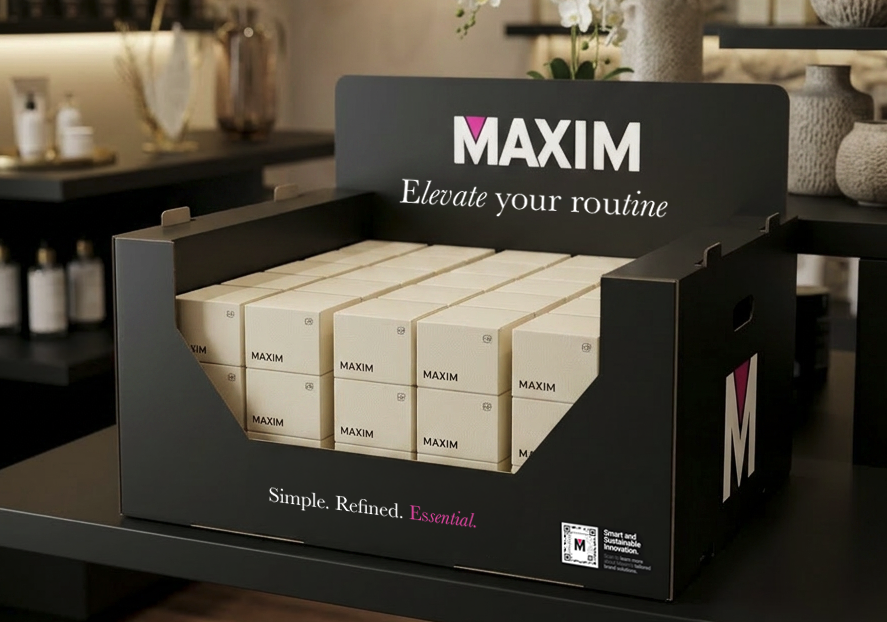
In today's retail environment, products have only a few seconds to make an impression. Consumers are bombarded with choices from every direction, whether they're walking the aisles of a grocery store, browsing a beauty retailer, shopping for electronics, or making a last-minute purchase at the checkout counter.
Brands invest heavily in product development, packaging design, digital advertising, influencer campaigns, and retail promotions—but when a shopper finally reaches the shelf, only one thing matters…
Can your product capture their attention?
That's where a PDQ display becomes far more than a piece of packaging.
It becomes one of the hardest-working members of your sales team.
Unlike a traditional salesperson, a PDQ display works around the clock. It doesn't take breaks, it doesn't miss opportunities, and it delivers the same consistent message to every shopper who walks by. When designed strategically, it attracts attention, communicates value, reinforces your brand identity, and encourages purchasing decisions—all within seconds.
At Maxim, we believe a successful PDQ display isn't simply something that holds products. It's a carefully engineered marketing tool that bridges the gap between your brand and your customer at the exact moment buying decisions are made.
What Is a PDQ Display?
PDQ stands for "Product Display Quickly," referring to displays that arrive at retailers fully assembled or nearly assembled, allowing store associates to place products directly onto shelves, promotional areas, or checkout counters with minimal effort.
Retailers love PDQ displays because they save labor.
Brands love them because they maximize visibility.
Consumers appreciate them because they make products easier to discover.
From cosmetics and health products to snacks, apparel accessories, electronics, and seasonal merchandise, PDQ displays have become one of the most effective merchandising tools available. But successful displays aren't built by accident. Every dimension, graphic, material selection, structural feature, and product arrangement influences whether shoppers stop—or simply keep walking.
The Psychology Behind Effective Retail Displays
Shopping behavior is remarkably predictable. Research consistently shows that shoppers rely on visual cues to make quick decisions, especially when they're purchasing familiar categories or making impulse buys.
Before someone reads a package, they notice:
Color
Shape
Height
Product organization
Brand recognition
Overall presentation
A cluttered shelf can make even an exceptional product disappear. A thoughtfully designed PDQ display creates visual interruption. It gives the eye somewhere to land. That brief pause often becomes the difference between being overlooked and being picked up.
Creating a Branded Destination
One of the greatest advantages of a custom PDQ display is its ability to carve out branded real estate inside a crowded retail environment. Instead of relying solely on individual product packaging, the display creates a larger visual presence that immediately communicates who you are. When shoppers see consistent branding across the display and packaging, it builds confidence.
Every element should work together:
Brand colors
Typography
Photography
Lifestyle imagery
Product messaging
Promotional callouts
Seasonal graphics
The result is an experience that feels intentional instead of accidental. Strong branding doesn't simply improve recognition; it improves trust.
Your Display Should Tell a Story
The best retail displays answer questions before customers ever ask them. Imagine introducing a new sustainable apparel accessory. Instead of placing products in a plain tray, your display could immediately communicate:
Made with recycled materials
Responsibly sourced
Plastic-free packaging
Designed for everyday durability
Within seconds, shoppers understand why your product deserves attention. This type of storytelling reduces confusion while increasing confidence. In many cases, your display has less than five seconds to explain what makes your product different. Those five seconds matter.
Engineering Matters Just as Much as Design
A beautiful display means very little if it collapses during shipping or doesn't survive the first week on the retail floor. That's why structural engineering is just as important as creative graphics. Every PDQ display must successfully navigate an entire supply chain before reaching consumers.
It needs to:
Protect products during transportation
Stack efficiently for shipping
Assemble quickly
Fit retailer shelf specifications
Maintain structural integrity
Present products neatly throughout the promotion
These practical considerations often determine whether a retail program succeeds. Thoughtful engineering minimizes waste, reduces damage, and ensures products always look their best.
Supporting Retail Operations
Retail associates appreciate packaging that makes their jobs easier. Displays requiring extensive assembly or constant maintenance often become frustrating. Well-designed PDQ displays simplify operations by arriving retail-ready, reducing setup time, minimizing packaging waste, and allowing products to be merchandised consistently across every location. The easier your display is to replenish, relocate, and maintain, the more likely retailers are to embrace future programs. Designing for operational efficiency ultimately benefits everyone—from the warehouse to the sales floor.
Driving Impulse Purchases
Many purchasing decisions aren't planned. A shopper may enter a store looking for one item but leave with five. Strategically placed PDQ displays capitalize on these moments. Whether positioned near checkout lanes, promotional endcaps, or seasonal displays, they encourage product discovery exactly when shoppers are most receptive. Impulse purchases are driven by visibility, convenience, and perceived value. An engaging display combines all three. When products are easy to see, easy to understand, and easy to grab, conversion naturally increases.
Sustainability Is Becoming Part of the Conversation
Retail packaging is evolving alongside consumer expectations. More brands are looking for PDQ displays that not only perform well but also support sustainability initiatives.
This may include:
FSC®-certified paperboard
Recyclable materials
Right-sized structural designs
Reduced material usage
Efficient shipping configurations
Water-based inks where appropriate
Sustainable design doesn't require sacrificing shelf impact. In many cases, thoughtful engineering actually reduces material consumption while improving performance.
Custom Solutions for Every Brand
Every retail environment presents different challenges. A cosmetics display has different objectives than one designed for sporting goods. A warehouse club display differs dramatically from one intended for a boutique retailer. That's why customization matters.
At Maxim, we collaborate with brands to understand:
Retail environment
Product dimensions
Consumer behavior
Merchandising goals
Shipping requirements
Brand guidelines
Sustainability objectives
The result is a display solution engineered specifically for your product—not adapted from a generic template.
Why the Details Matter
Sometimes the smallest design decisions create the biggest impact.
The angle of product presentation.
The height of a header card.
The placement of promotional messaging.
The ease with which customers can remove a product.
The way empty spaces appear as inventory sells down.
Each of these details influences shopper perception.
Exceptional PDQ displays balance aesthetics, structural performance, merchandising strategy, and consumer psychology into one seamless experience.
Your Display Is Selling Long Before Anyone Picks Up the Product
Retail success doesn't begin when someone reaches for your package. It begins the moment they notice it. Your PDQ display is often the first interaction customers have with your brand inside a store. That first impression shapes every decision that follows.
Does your product look premium?
Is it organized?
Can shoppers immediately understand its value?
Does it inspire confidence?
If the answer is yes, you've already won half the battle.
Why Partner with Maxim for Your PDQ Displays?
Creating a successful PDQ display requires far more than great graphics. Every display must be carefully engineered to withstand shipping, meet retailer specifications, support the weight and arrangement of your products, and maintain its appearance throughout the life of the promotion. Even the most eye-catching design can fail if the structure behind it isn't built to perform.
At Maxim, our design and structural engineering teams work together from concept through production to create custom PDQ displays that are both visually impactful and retail-ready. We consider everything from product dimensions and weight distribution to assembly, transportation, and in-store merchandising, ensuring your display performs as well in the retail environment as it does in the design phase.
Retailers—especially major big-box chains—also have strict merchandising and packaging requirements. Specifications can include approved materials, structural performance standards, sustainability guidelines, pallet configurations, shelf dimensions, and shipping requirements. Failing to meet these standards can result in delays, rejected shipments, or costly redesigns.
That's why partnering with an experienced packaging provider matters. Maxim understands the complexities of retail compliance and develops custom PDQ displays that not only showcase your brand but are engineered to meet retailer expectations from the start. The result is a display that's built to perform, compliant with retail requirements, and ready to help your products succeed where purchasing decisions are made.